
Contextual Data as the New Planning Signal


For years, media planning started with one key question: Who is the audience?
Advertisers built campaigns around demographics, interests, and browsing behavior. Programmatic platforms created audience segments using cookie data and historical signals. That approach worked when identity tracking was easy.
But the environment is changing.
Privacy regulations are tightening. Browsers limit tracking technologies. Third‑party cookies are disappearing. Audience data is becoming fragmented across platforms.
Media planners now face a different challenge. They need signals that reflect real intent without relying on personal tracking.
Contextual data offers exactly that.
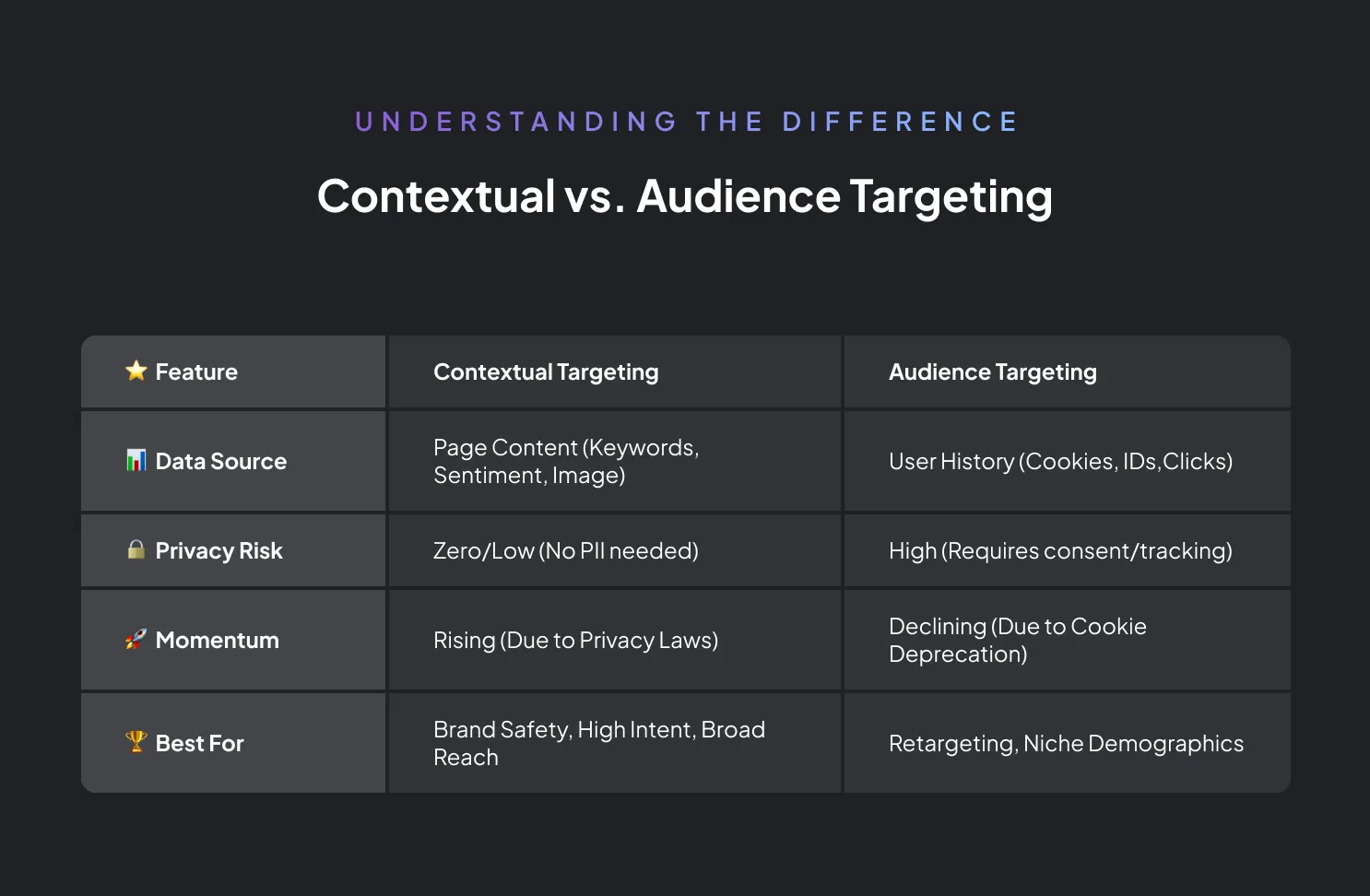
Instead of asking who the user is, contextual data answers a more powerful question:
What is the user interested in right now?
That shift is turning contextual data into a core signal for media planning.
Why audience-first planning is losing reliability
Audience targeting relies on historical behavior. It assumes that past activity predicts future intent.
For example:
A user searches for running shoes. That user enters a “fitness enthusiast” segment. Ads follow them across unrelated websites for days or weeks.
The problem is timing.
Interest changes quickly. Signals become outdated.
Someone researching running shoes yesterday might be reading travel content today. Behavioral targeting still relies on old signals.
Contextual data captures current attention.
If someone is reading an article about marathon training, the signal is immediate. The reader is actively thinking about running at that moment.
Context-first planning changes campaign strategy
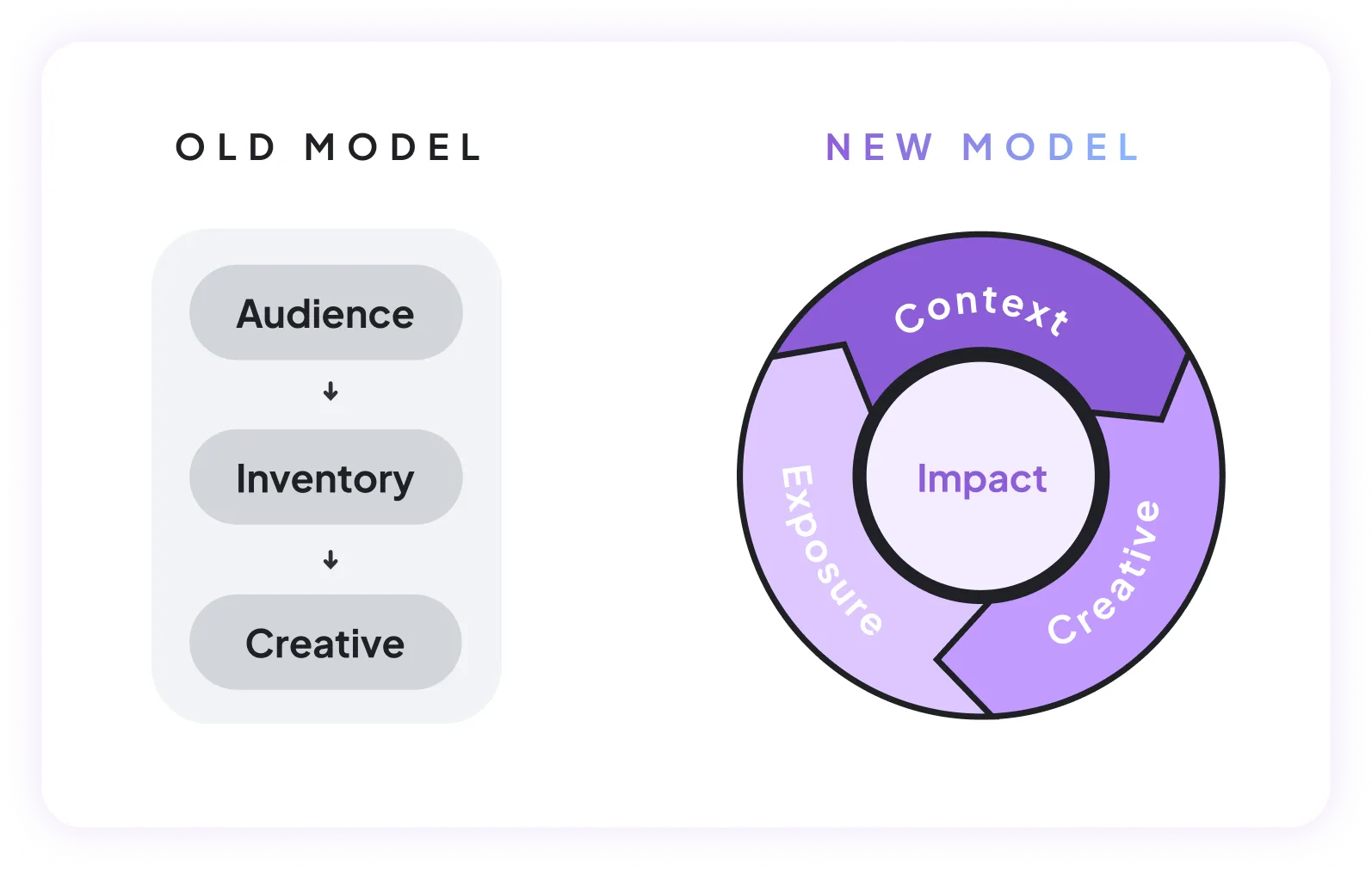
Traditional planning follows a predictable structure.
Audience definition → inventory selection → creative distribution.
Contextual planning starts from a different place.
Instead of defining audiences first, planners analyze content environments.
What topics are audiences engaging with?
Which editorial environments match the brand message?
Where does attention concentrate?
The planning structure becomes:
Content signals → contextual environments → creative alignment.
Context becomes the foundation of the campaign.
Context captures intent in real time
Intent signals become stronger when they reflect the present moment.
Imagine someone reading an article about electric vehicles. The user is likely exploring EV technology, charging infrastructure, or sustainability topics.
That environment reveals active curiosity.
If an automotive brand appears within this environment, the message feels relevant. The ad becomes part of the experience instead of an interruption.
Contextual analysis now goes beyond keywords
Early contextual systems relied on keywords. If a page contained certain words, the platform categorized the content.
This approach created problems because keywords rarely capture meaning.
An article mentioning a luxury brand might discuss a fashion show or a robbery involving the brand’s store. Both contain the same keyword, but the contexts are completely different.
Modern contextual systems analyze content at a deeper level. AI-driven analysis evaluates the entire page to understand topic relevance, sentiment, and narrative meaning.
This allows platforms to place ads in environments that truly match brand intent.
Contextual clusters reshape media inventory planning
When context becomes the starting point, planners organize inventory differently.
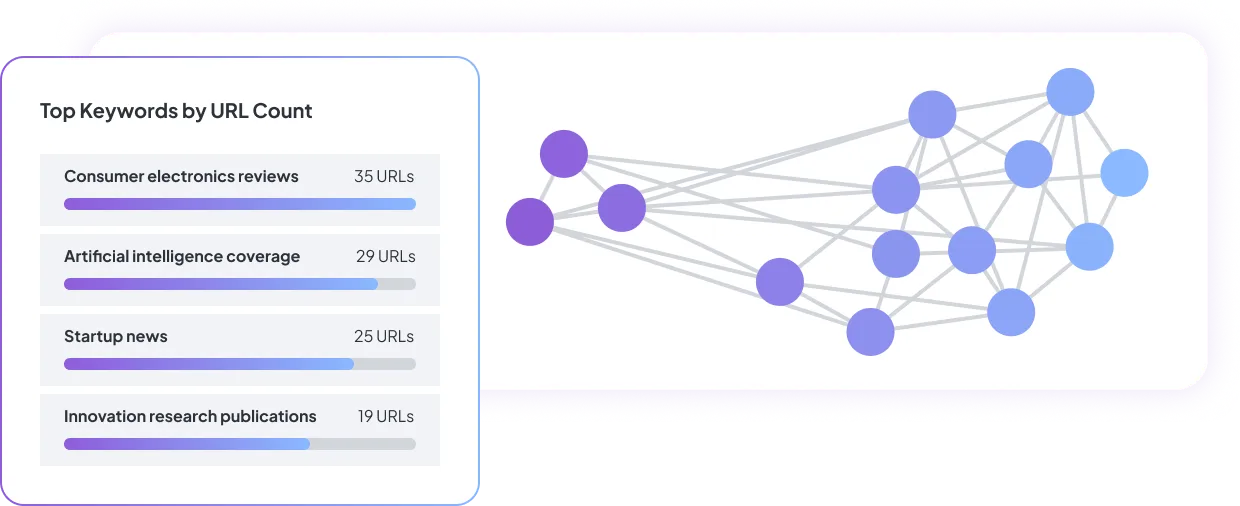
Instead of targeting broad audience segments, campaigns activate across contextual clusters.
A contextual cluster groups environments where users share a common interest.
Example for a technology brand:
1. Consumer electronics reviews
2. Artificial intelligence coverage
3. Startup news
4. Innovation research publications
Contextual data reveals trends earlier
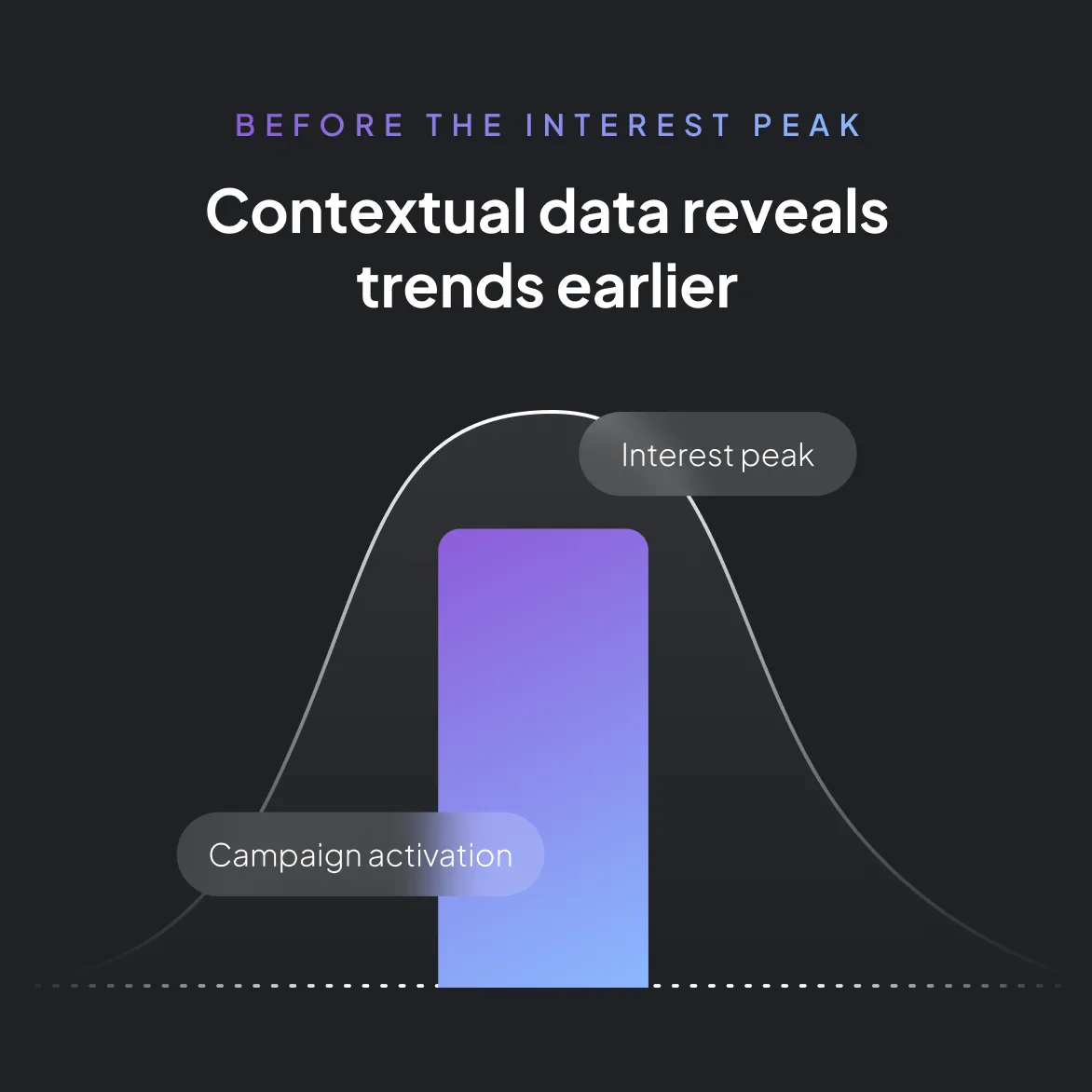
Content consumption reveals emerging trends. When new topics gain traction across publishers, contextual analysis detects them quickly.
For example, a surge in articles about electric mobility signals rising consumer curiosity about EV adoption.
Brands can activate campaigns in these environments before interest peaks.
Creative strategy becomes context-aware
Context does not only influence placement. It also shapes creative messaging.
Creative performs better when it reflects the surrounding content.
Example:
1. Travel guide article → airline ad focusing on exploration.
2. Investment article → fintech ad focused on financial growth.
3. Sports coverage → athletic brand promoting performance.
Dynamic creative formats strengthen this connection by updating messaging using real-time signals such as weather conditions or product feeds.

Contextual relevance improves attention
Attention has become a critical metric in digital advertising.
Impressions measure delivery. Attention measures whether the ad was actually noticed.
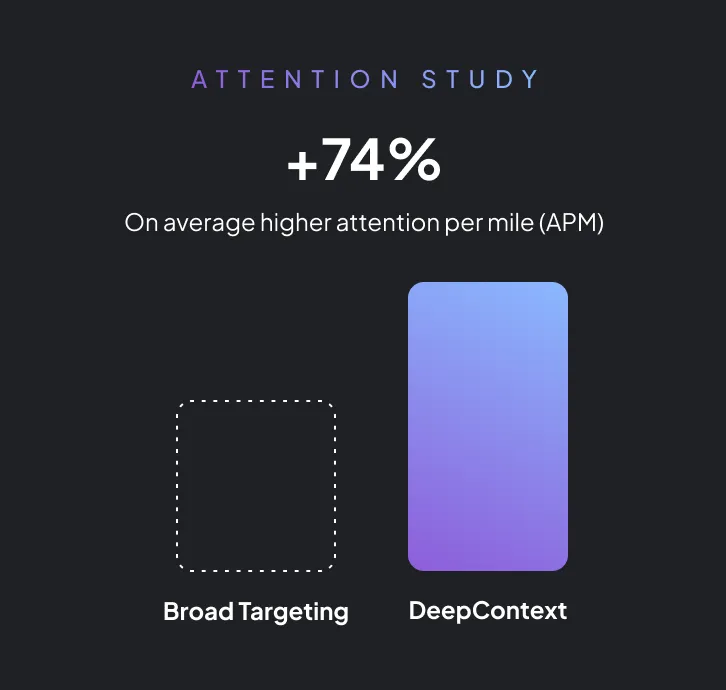
When ads match the surrounding content, users are more likely to engage. Contextually relevant placements improve attention and engagement.
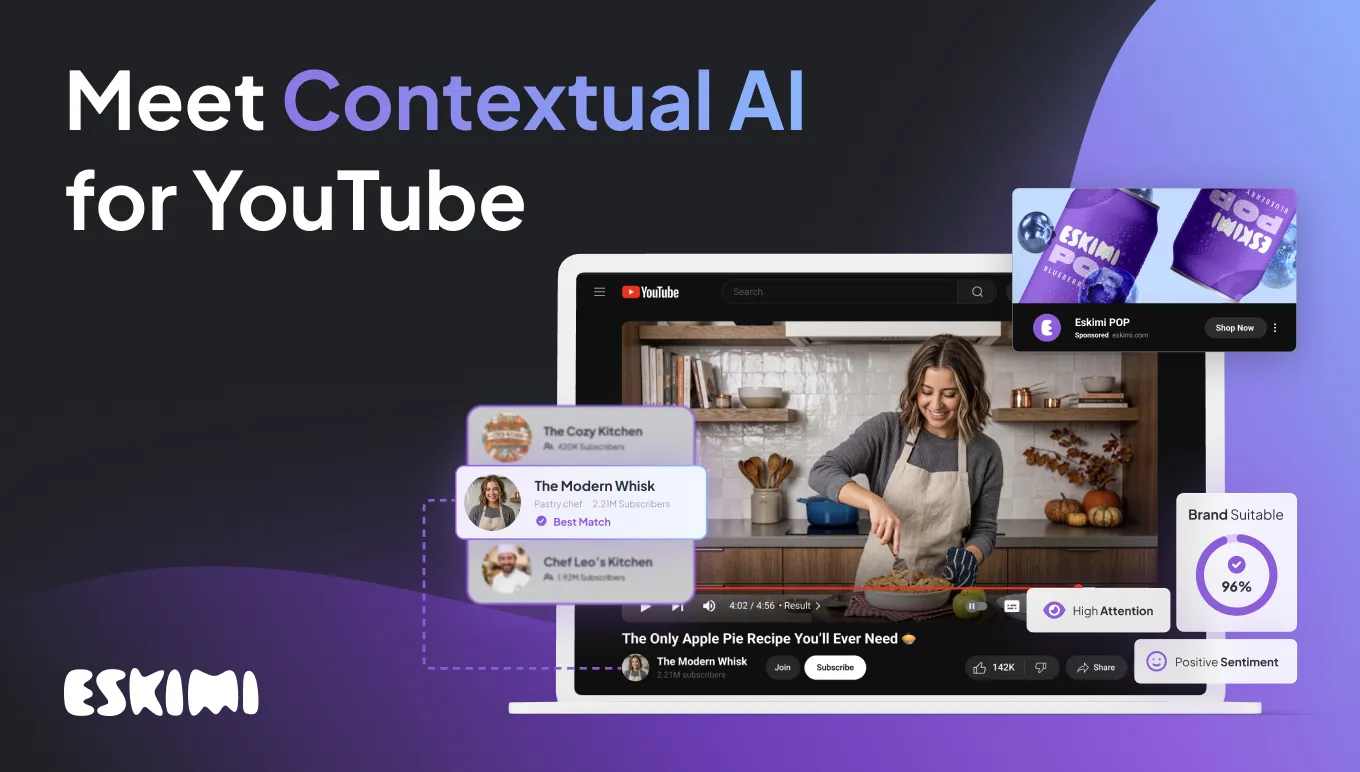
Using DeepContext, Eskimi's AI Contextual solution, we see clear correlation between improvement on attention when your ads are presented in a contextually relevant environment.
Contextual analysis improves brand safety
Brand safety tools traditionally rely on blocklists. If an article contains certain keywords, ads are blocked.
This approach can remove large portions of safe content.
AI contextual analysis evaluates meaning and sentiment before allowing placements. This improves brand safety without unnecessarily restricting inventory.
How planners should apply contextual signals
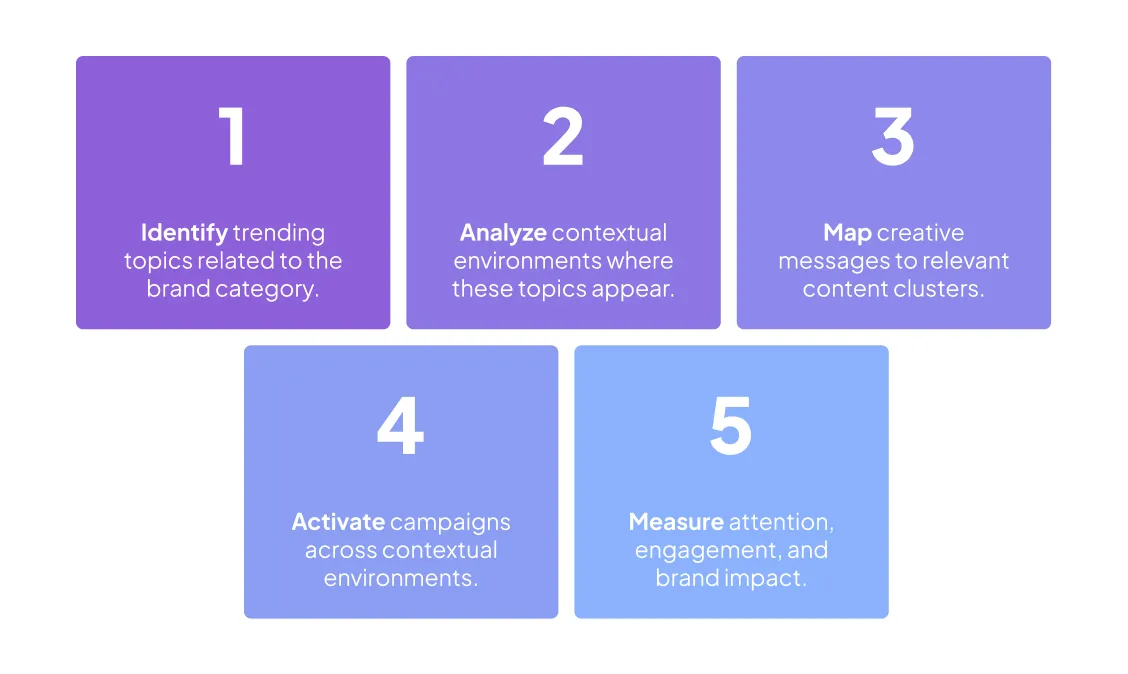
A modern contextual planning workflow includes five steps:
1. Identify trending topics related to the brand category.
2. Analyze contextual environments where these topics appear.
3. Map creative messages to relevant content clusters.
4. Activate campaigns across contextual environments.
5. Measure attention, engagement, and brand impact.
In conclusion;Privacy changes didn't break media planning. They made it more honest.
Contextual signals don't guess at intent, they reflect it.
That's why the best-performing campaigns in a cookieless world won't be the ones with the biggest audience segments.
They'll be the ones placed in the right moment, in the right environment, with the right message.


Level Up Your Advertising with Eskimi
- Reach 96% of Open Web
- 2,500+ Targeting Options
- 100% Managed or Self-Service
- In-House Creative Studio Team
- Display, Video, In-Game & CTV
- #1 Rated DSP on G2
Launch your next display ad campaign with us